

meta data for this page
Installation procedure
How to handle the rod
Please use the proper gloves to handle the sliders.
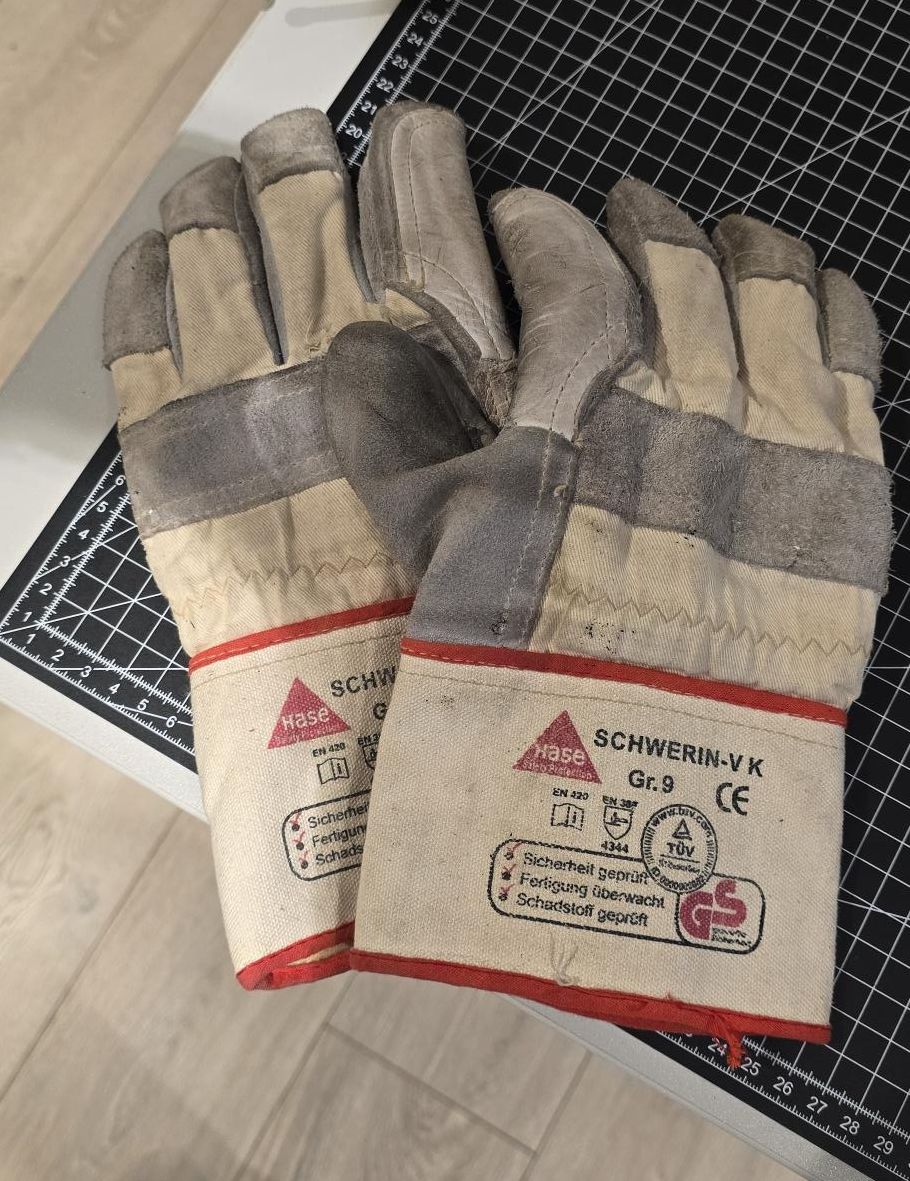
THERE IS STRONG MAGNETIC FIELD ON THE SLIDER : When not packaged, please stock the slider with a right safety distance !
A minimum distance of 15 cm between the rods or between the rod and any metallic materials around the mouting area must be maintened.
Use Wood as support material to stock the rods without packaging.When mounted near metallic part use wood as spacer for mounting.
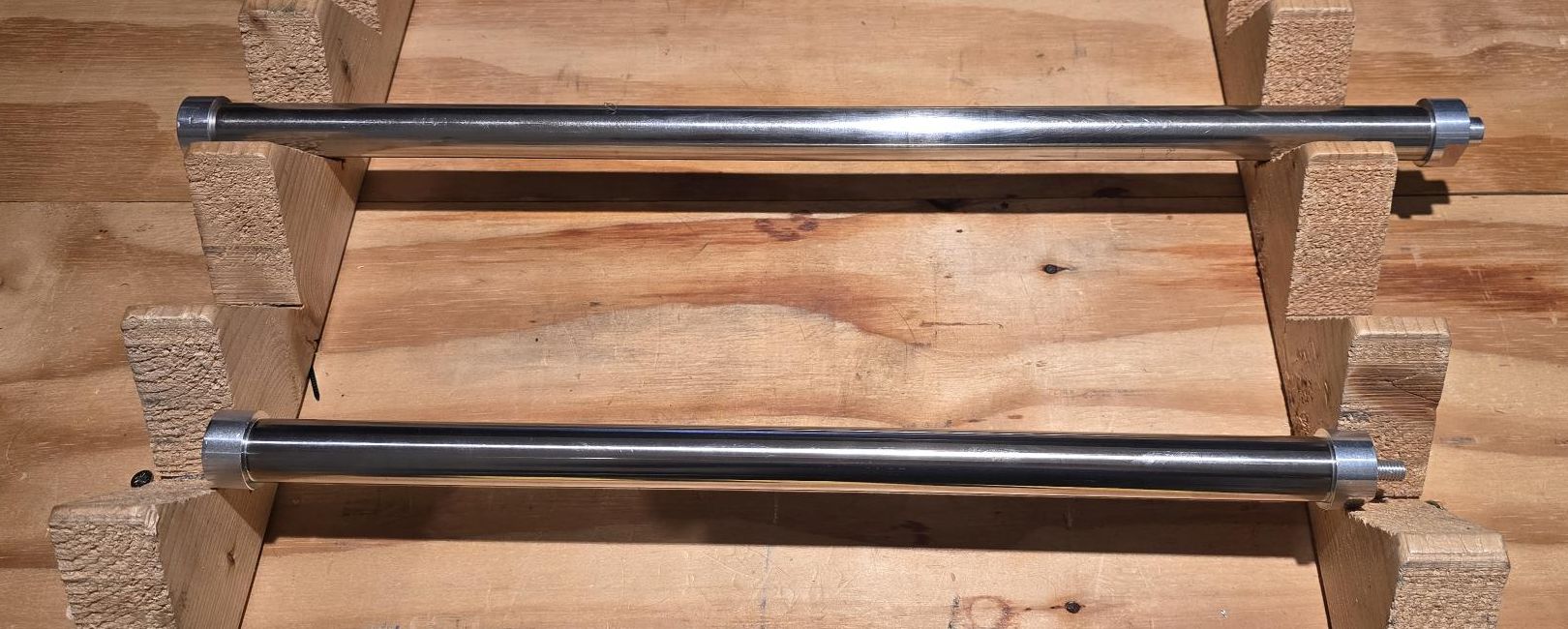
To decouple the two rods joined by attraction force, first rotate one slider by 90 degrees to reduce the force, and then complete the decoupling by applying the necessary separation force.
How to mount the rod inside the motor
The slider of the motor is provided in a separate carton tube to avoid damage during transportation. This slider has a end stot without threaded holes (male or female) on the closed side.

In order to install, the customer must be open the open side, the grub screws must be unscrewed.

Dismount completely the end cap


Then, insert the slider inside the motor

Mount again the end stop on the internal screw of the slider

Close completely the end cap reaching the stainless steel rod end.

Screw the grub screws to avoid the end cap rotation.
Interaction with the load
The slider motion is based on polymer plain bearings, the motor slider can only sustain limited radial loads; it is therefore required to support the payload through a proper linear guide. Moreover, coupling the shaft with the payload by spherical bearings, articulated joints or equivalent parts is recommended in order to only transmit the linear thrust and to compensate any radial misalignment.

Magnetic fields
The slider of the green drive linear motor is fitted with strong permanent magnets, which are not magnetic shielded (Br ≈ 1.2 T). However, the magnetic induction collapses within 50 mm so there is no considerable field outside the machine structure.
Vibrations and shocks
The stator of Green Drive series tubular linear motors can sustain shocks up to 5 G (49 m/s2) and vibrations up to 2,5 G (24,5 m/s2).
Noise emission
The noise emission of synchronous linear drives can be compared with conventional inverter-operated feed drives. Experience has shown that the noise generation mainly depends on
- the employed linear guides (velocity-related travel noise)
- the mechanical design (following cover, etc.)
- the settings of drive and controller (e.g. switching frequency)
A generally valid specification is therefore not possible.